söndag 21 augusti 2022

Lundby or not Lundby, that's the question


These days there are lots of dollhouse items out there that has been home made. There are lots of skilled doll house fans who do things like 3D-print, or sew new bedding for old bedframes. I have several home made items myself, and I really like them! The relatively low cost of global shipping also means that lots of previously unknown items from other markets like China more frequently show up on Etsy, ebay and other global shopping websites. 

But this also means that questions about what's original has come up more frequently. So how do I know what I'm looking at? What is it? Is it Lundby or another brand? Home made? How old is it? Here are some ideas on how to spot the difference, and how you can learn more about the age and origin of your item. 


1. Check out the online catalogues. 
If its'a Lundby item, there's a good chance that the item will be in the catalogues, even though there are a few exceptions (especially before 1967 and in the 1990's). Before the mid 1960's there are very few catalogues, ads or other documentation. There were also lots of crossover items between Lundby and Lerro, meaning that they were manufactured and/or sold by both companies. This makes it harder to determine the particular brand of older pieces of furniture. 

It might sound boring, but browsing through online catalogues and ads will give you an idea about what's out there. It will also give you an overview of the design style and materials that Lundby and other brands used, and when they used them. 

Currently the best source for online catalogues is this one: https://www.swedish-dollshouses.se/?page_id=1191


2. Check out other online resources. 
There is an excellent reference library in the FB Lundby Lovers group where you can find information about several brands (including Lisa, Hanse, Brio, Barton and many more). Here's a link to the group: 

Here's a direct link to Lundby Lovers Reference files: 

You can also find lots of old Lundby advertising online. Sometimes they will show you items that the catalogues don't. But they are not 100% - if it's a retail chain selling Lundby, they might sometimes include other brands in their own advertising. So check out who published the ad. 

I would also include "ask friendly members of online communities" in this category. There are many people in all the dollhouse Facebook groups who knows a lot and often take time to share their knowledge.  


3. Does it look identical to a known item, but has different colour or fabric? 
That's usually a great clue. Here's one example. This bathroom doesn't show up in any of the catalogues, but it has the same parts and design as several other Lundby bathrooms from the same time. This is not always 100% proof that it's Lundby, but it's one of the tools you can use. (I have seen this in original packaging, so yes, I know it's Lundby). 


I've sometimes determined that an item is original by the fabric found in other items that I know for sure are Lundby. Like this bed. It doesn't show up in any of the catalogues, but the curtain does. So it's safe to say that the bedding (and bedframe) is also original Lundby. 


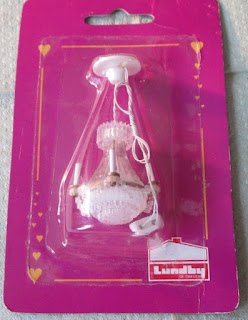
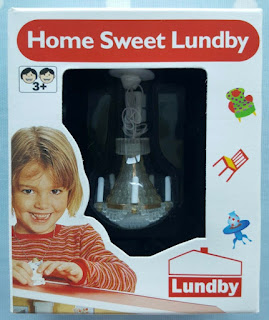
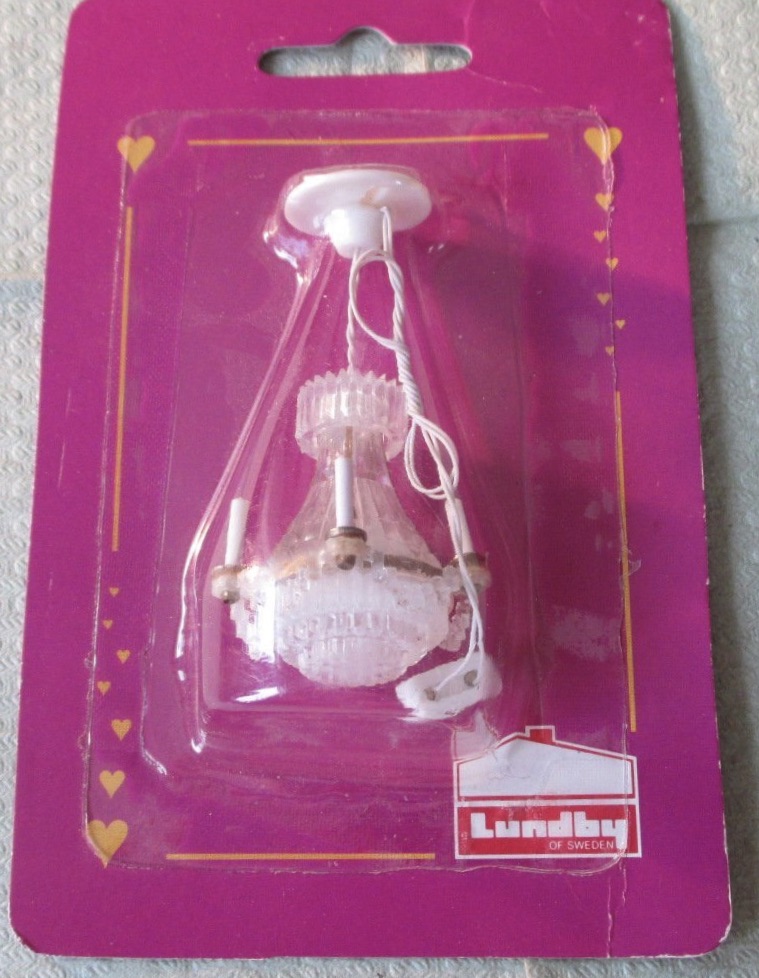
4. Have you seen the item with the original box/packaging? 
This is a great clue, not just to determine what brand it is. Lundby's boxes has changed every now and the, so if you find this box, you can tell that this item was sold in the late 1960's or early 1970's. The design changes (very roughly) every 5-8 years. 

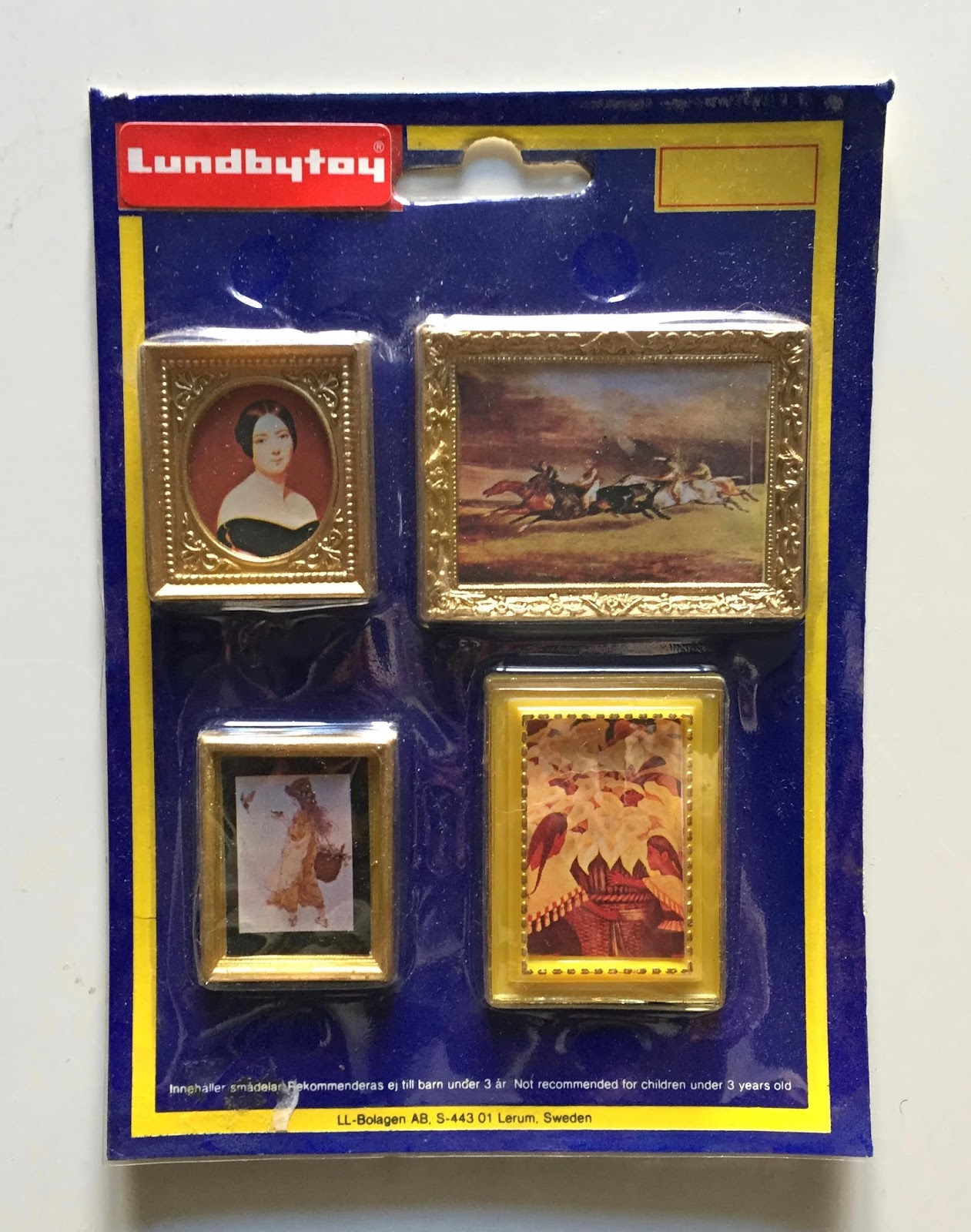
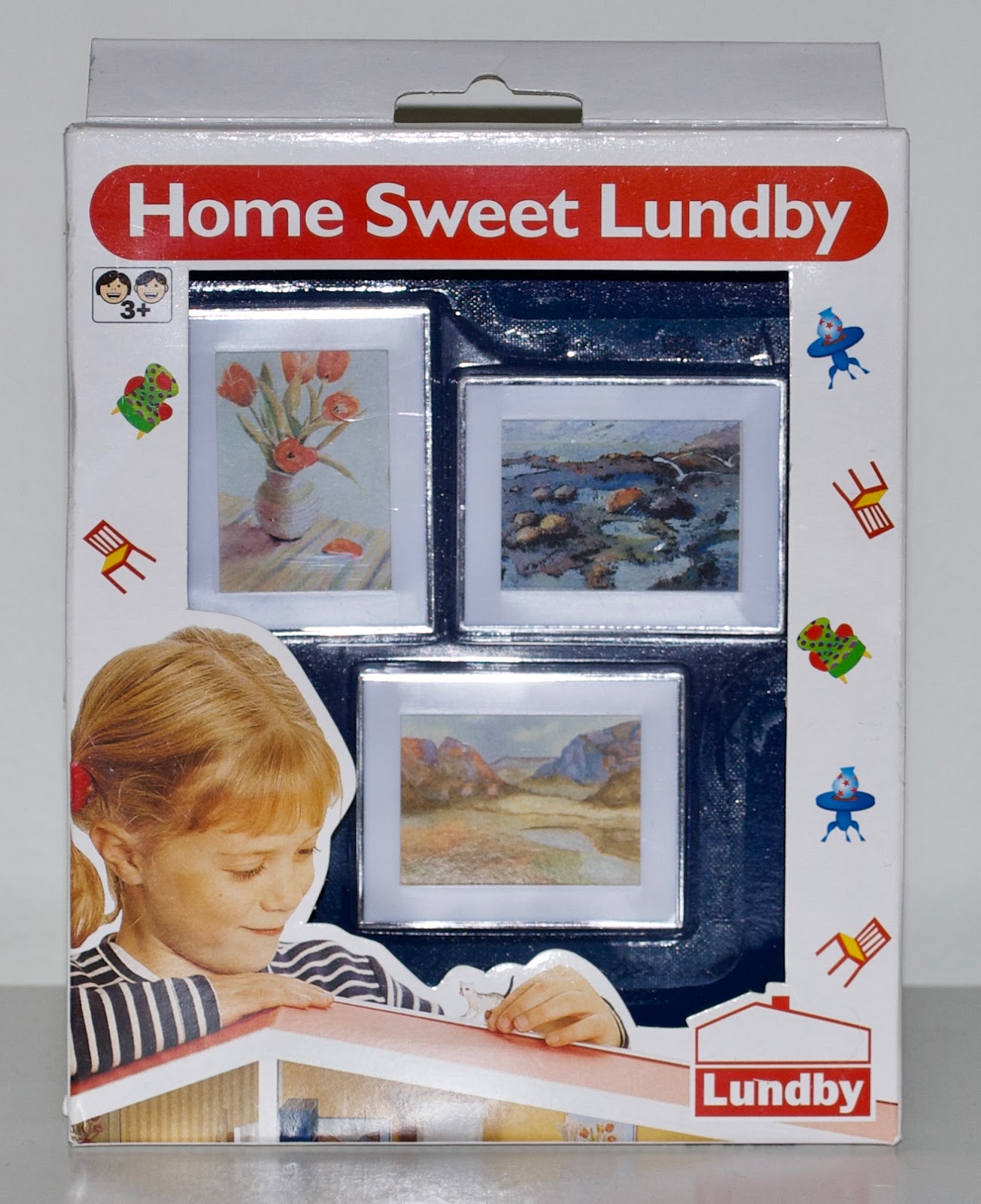
Seeing the item in its original packaging has another advantage. It helps to find some items that were produced for two (or more) companies. Here's an example: 


This tells us that at least the two upper paintings were sold by two different companies. Just to make things more complicated, they were made by Sufa, a company that provided lamps and paintings to Lundby in the early 1970's. So the producer is Sufa, the distributing company is Lundby and others.

Some items with a long shelf life can also be found in several different boxes. This is an example.



5. But if we don't have an original box, and we can't find it in the online catalogues? 
Well, there are still some ways to figure out if it's original Lundby. One is to find out if it has showed up before in other colours or with other fabric. 

Here's and example. This bed (with this particular bedding) is not show in any of the Lundby catalogues from the 1990's. But the bedframe is the one used in the 1990's for other beds, along with the nightstands. That's a sign that points towards Lundby. The lace on the bedding is also used in other bedding that we know was produced by Lundby. 


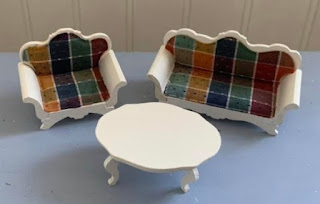
And here's another clue. There is a matching set with a sofa and an armchair. This set convinced me that the bedding is indeed original. 


But things aren't always this easy. I bought a bunk bed a couple of years ago. It looked like this: 


I remembered that I had seen this bedding somewhere before, and I knew that some bunk beds from the 1990's had pink pillows. So it made sense to think that it was original. And then I got this photo from Elisabeth at Swedishdollhouses.se.... 


I was partly right. The bedding was indeed original. But it belonged to a couple of twin beds, not a bunk bed. And the pillows were white, not pink. The box also confirmed that this set was produced somewhere between (ca) 1990-1997. So, done deal! ....until I found this picture. It's an auction from Tradera. 


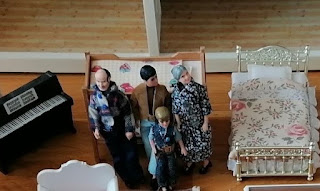
Larger auction lots can actually give us some information, since it's very common that the furniture in the auction was bought the same year, or at least in a few years range. This looks very 1990's, doesn't it. But take a look at the bed behind the dolls at the top of the picture. Here's a close-up: 


Well hello there, bunk bed... :) How likely is it that two people switched the bedding from twin bed to bunk bed? A year later, this lot of furniture showed up on Tradera: 


Did Lundby make both a twin bed and a bunk bed with the same bedding? Right now I'm not sure, but I think they did. I've seen this three times now as a bunk bed, and once as twin beds - that time in the original box. 

Oh, and by the way: there's also a version of the Lundby Rose bed to the right in the first picture above. This bed isn't shown in any catalogues either, but it has shown up at several auctions on Tradera, and more than once with items from this timeframe. I think it's safe to say that this is also an original, and from the 1990's.

I think that's it for now. Perhaps you have other methods to determine what's Lundby original. Let me know if you do! Meanwhile, I hope this might help you to find out what's Lundby and what's not. 


söndag 17 februari 2019

A history of Lundby paintings


This history could start way back, but I've chosen to begin with the items that can be found in the 1967 catalogue. This is also the year when Lundby's more modern range of bathroom furniture (I've covered those earlier) started, along with several other, more modern items.

So what can we find in the late 1960's? The images in the catalogues aren't as clear as you'd wish, but there are some items that can be identified. If we combine that with the MISB paintings we get a good timeline that tells us when these paintings were released. 

One disclaimer: Even if these paintings were sold by Lundby, they were not produced by Lundby. These early paintings were produced by Sufa. Their products were also sold by Lisa and other brands, so if I don't have the original packages it's impossible to tell if they were sold by one or more brands. I will include the frame variations I've found from these early days, even though I'm not always 100% that Lundby sold that one. With that said: let's get going!


In 1967 we got the first eight new paintings. They were sold up until 1974. Here they are, with the original painting - if I found it - last.  

This is a replica of "La liseuse" (Young girl reading) by Jean-Honore Fragonard. 


This painting is still unidentified.


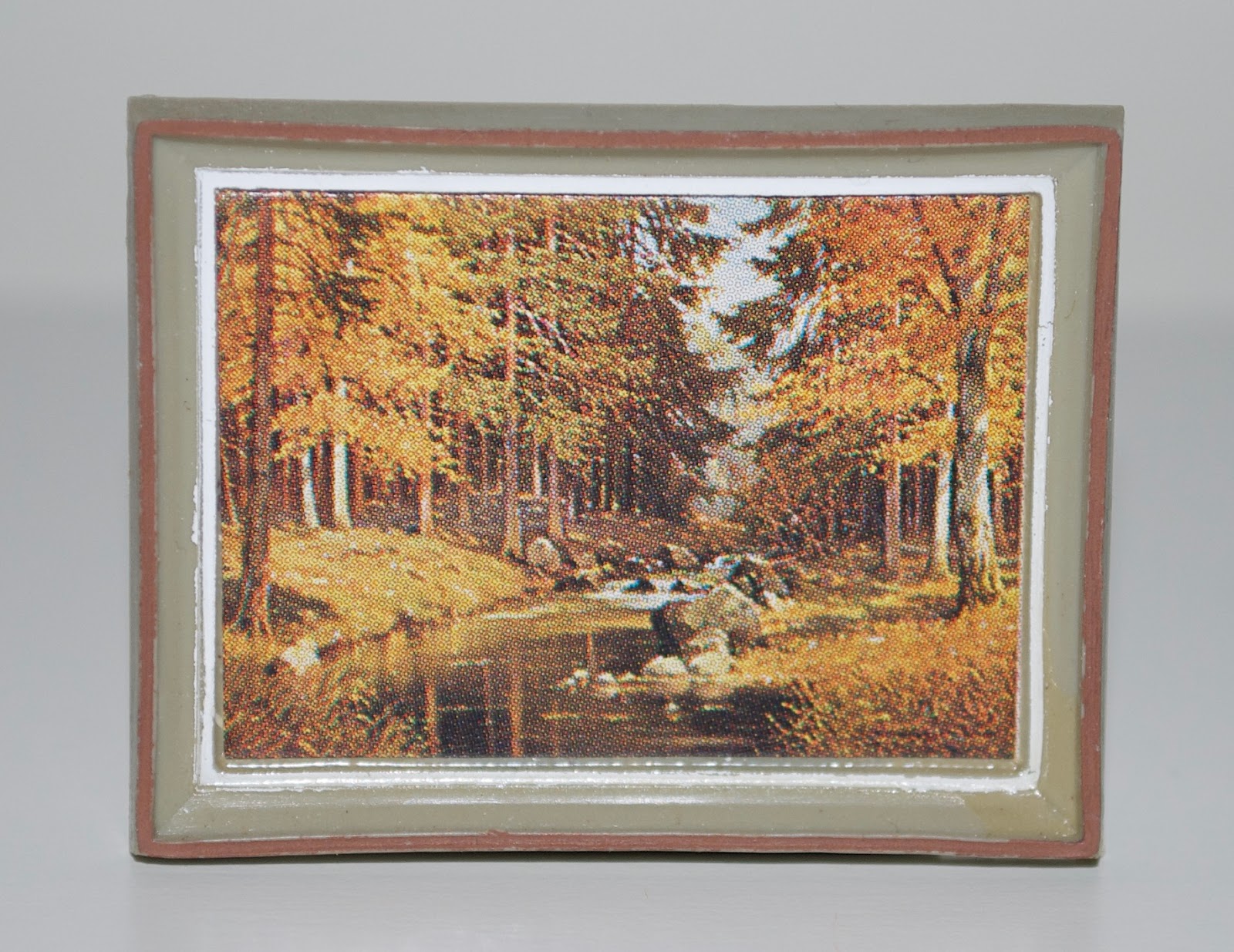
This is a replica of an unnamed landscape painting by Swedish painter Einar Krüger. 


This is a replica of "Timmerkojan" (The log cabin) by Swedish painter Edvard Bergh. 


This is a replica of "L'etoile" (The star - dancer on stage) by Edgar Degas. 


This painting is still unidentified.


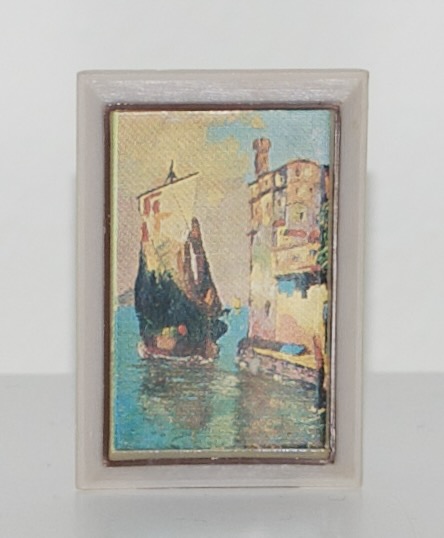
This is a replica of "Dreimaster im Abendrot auf bewegter See" 
(Three master on vivid sea) by Theodore Gudin.


This is a replica of "Grindslanten" by Swedish painter August Malmström.


In 1975 I can find eight new paintings in the catalogue. (They could have been around longer, but this is the first year they appear in the Lundby catalogue).


This is a replica of "Saint Fabiola" by Francis Alÿs.


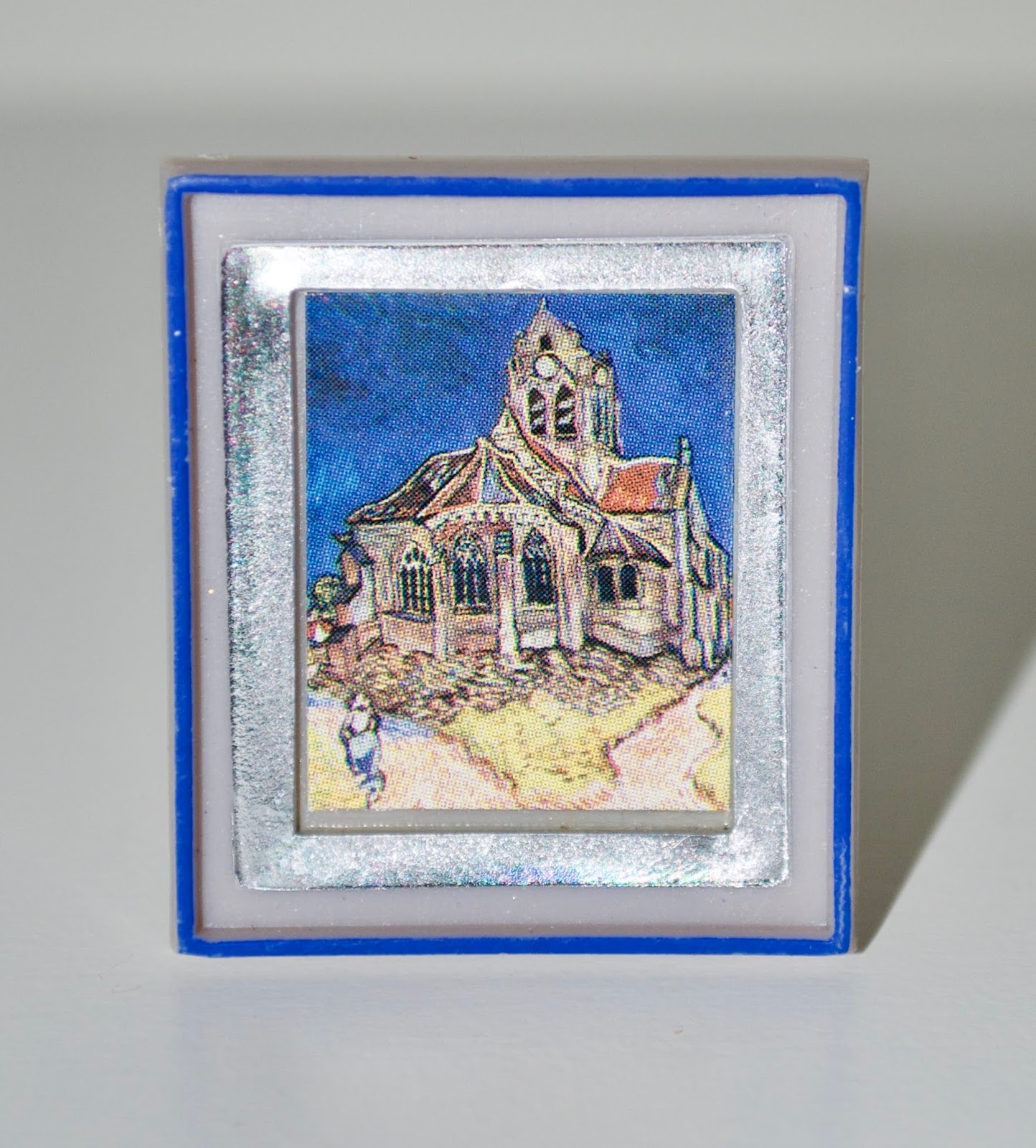
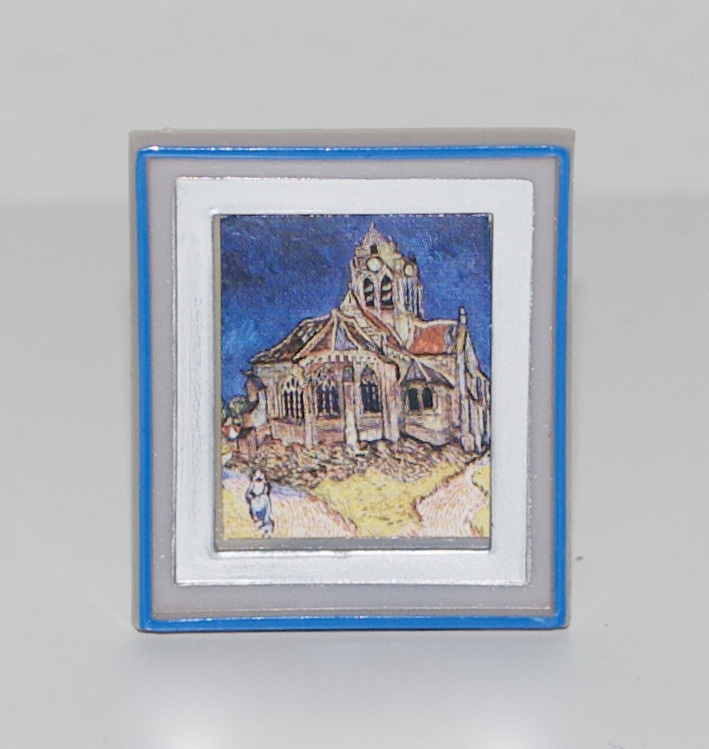
This is a replica of "The church at Auvers" by Vincent van Gogh.


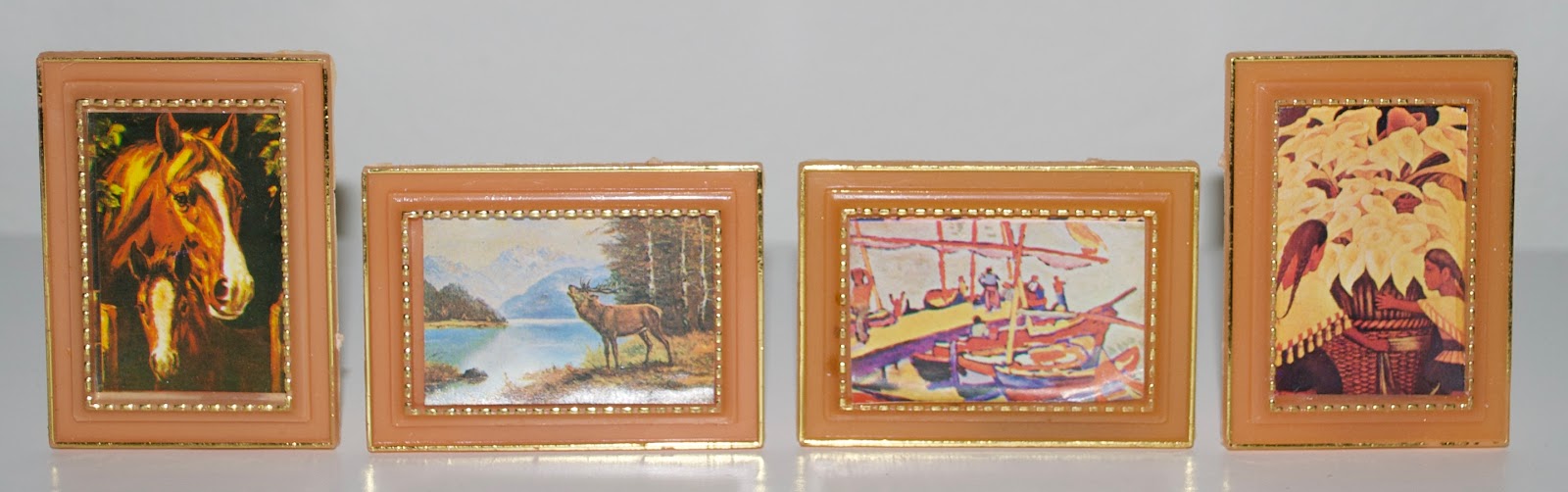
This is a replica of "Stute mit fullen" (Mare with foal) by Ignac Konrad.


This is a replica of "Paris, L'Arc de Triomphe" by Lucien Delarue.


This is a replica of "Rehböcke" (Roe buck) by Carl Zimmerman.


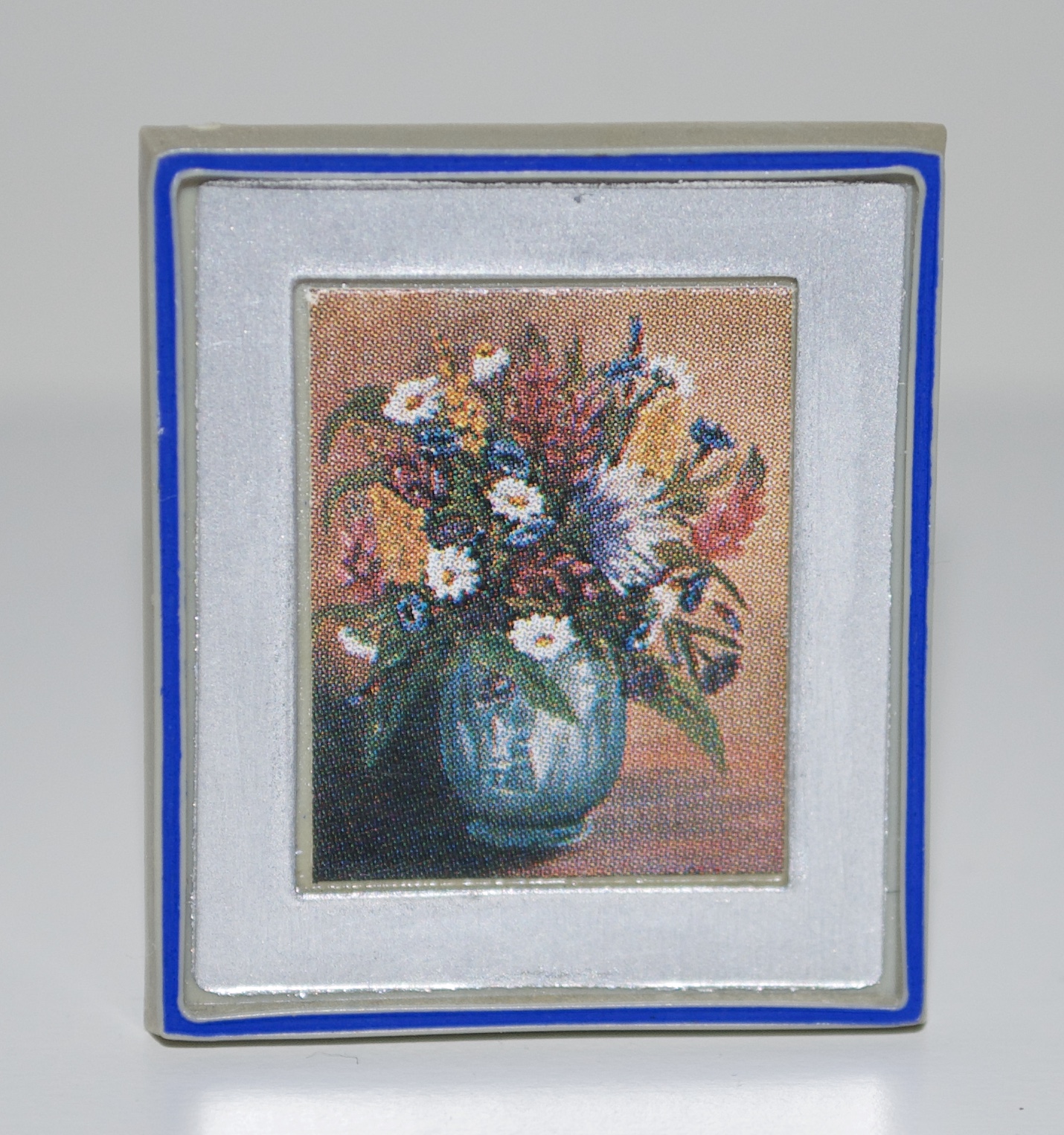
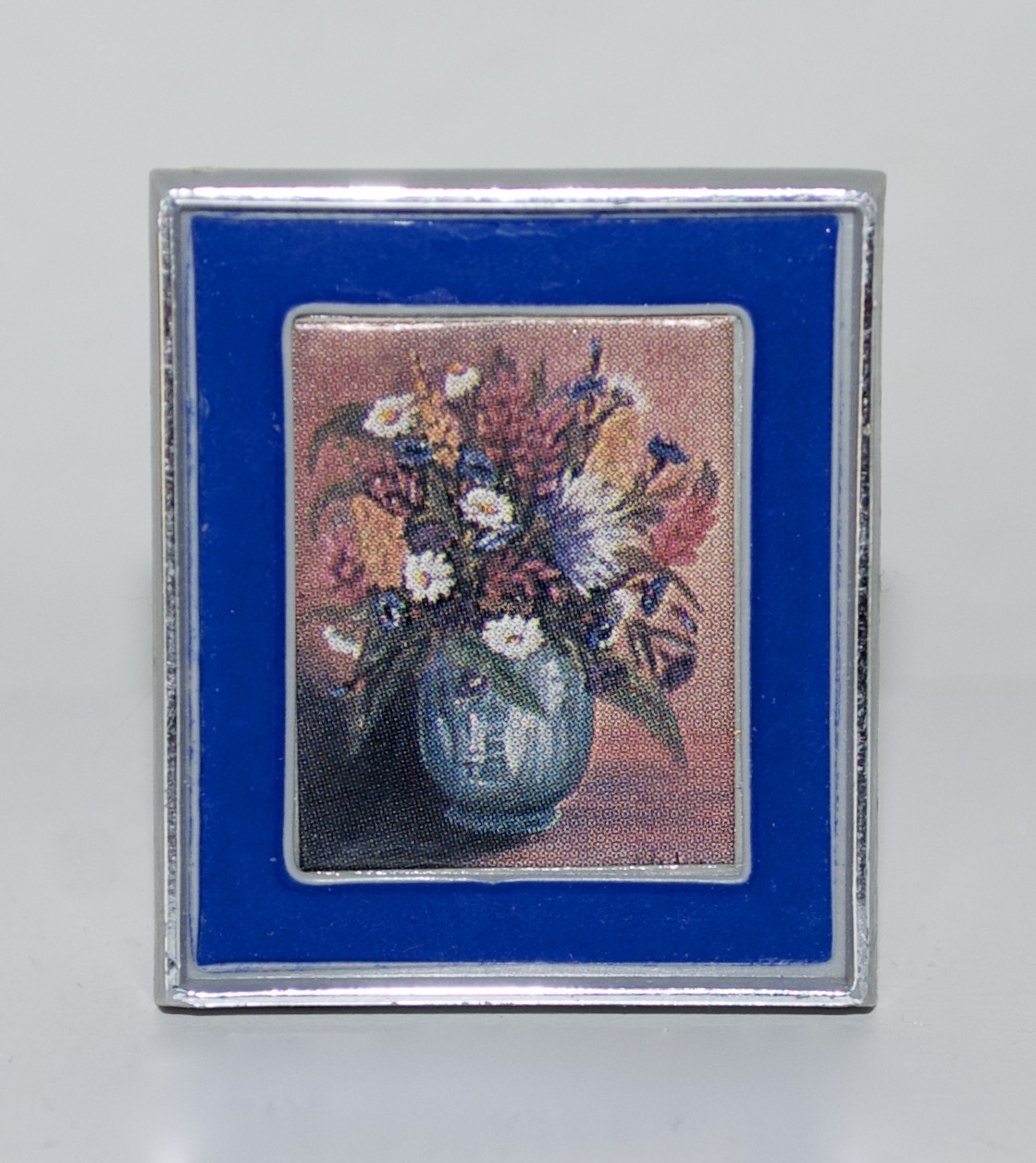
This is a replica of "Oellites et Clematis dans un Vase de Cristal" (Pinks and Clemastis in a crystal vase) by Edouard Manets. 


This is a replica of "Mattrasor" (Carpet rags) by Swedish painter Sam Uhrdin.


And let's finish of with the last one from this era. 
This is a replica of "Vintersöndag" (Winter sunday) by Swedish painter Anders Altzar.


Now, before we move on to the paintings that were produced by Lundby, I've noticed a pattern with the Sufa paintings. They come in groups of 4/8. By that I mean that they are similar in size and has the same sort of frame. Lundby sold them with one from each group - eight were released in 1967, the other in 1975. This pattern is repeated later on, so we'll get back to that.


Here are some examples of paintings in their original packages from around 1969/70. 


Here are two more examples of paintings in their original packaging from around 1975.


These 4 + 4 paintings have a different design on the original packaging since they were sold later than the previous painting we looked at. Original packaging changes over the years, so it's generally a useful tool when you want to determine when an item was produced. 


In 1976 we get lots of new additions. This is also the first batch of paintings that is produced by Lundby themselves, not by Sufa. I can't find any Sufa paintings in the catalogue after 1975, so I think it's safe to say that they were produced between 1967-1975.

These paintings were new in 1976:

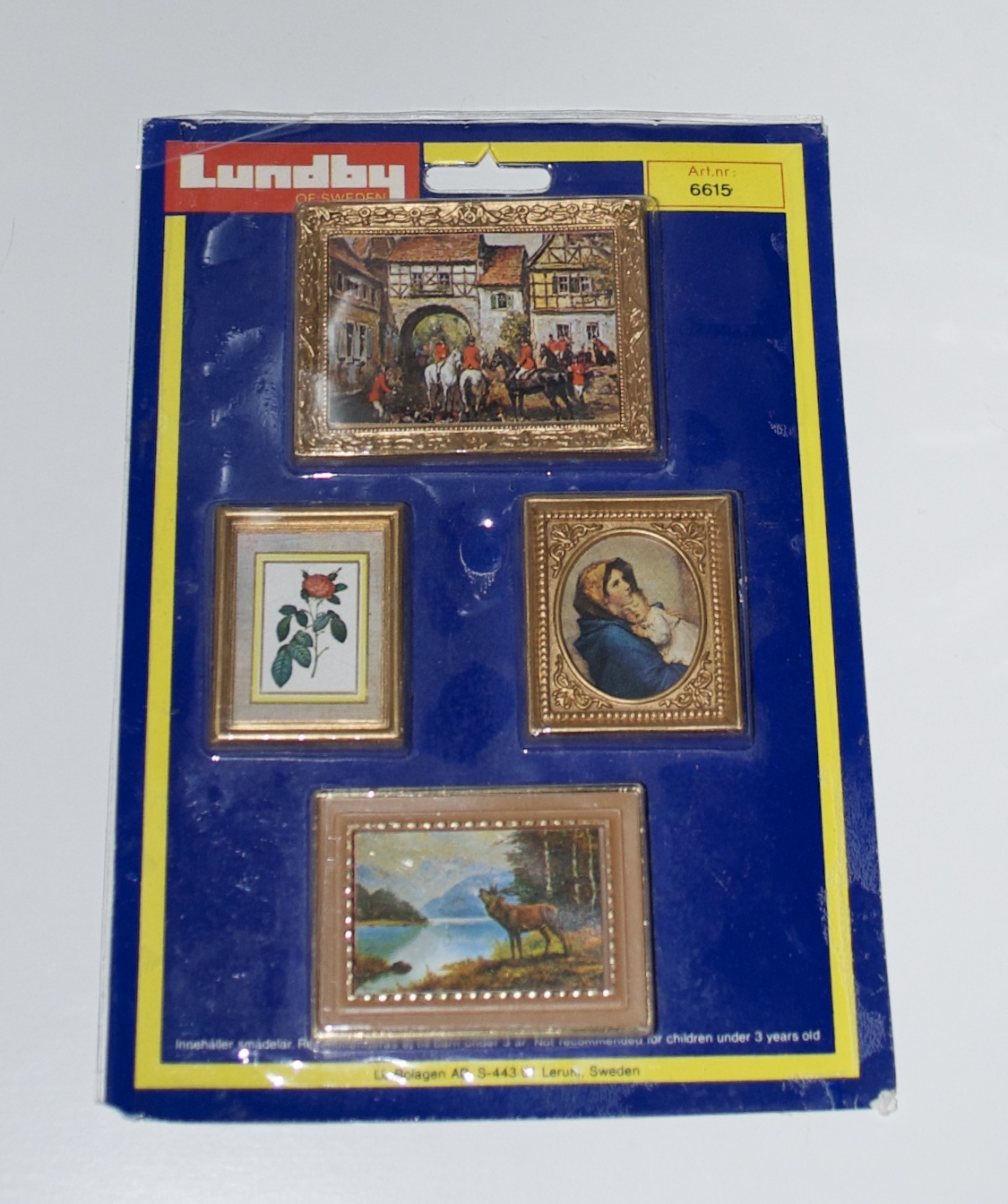
This is a replica of a Foxhunt motive by Heinrich Faust. 


This is a replica of "Madonnina" by Roberto Perruzzi.


This is a replica of "Hirsch am See" (Deer by the lake) by George Kuboth.


This is a replica of "Rosa gallica latifola" (Gallic rose) 
from the collection "Les roses" by Pierre-Joseph Redouté


This is a replica of "Mare with foal" by Heinrich Faust. 


This is a replica of "Happy days" by Luigi Serena. 


Here are some of the paintings above in their original packaging:


In 1977, there's a big new thing: the Swedish king and queen! They were married in 1976. This picture was taken at their engagement in March 1976, and is very well known in Sweden.


1977 was apparently a big royal dollhouse year. This painting was, as far as I know, only released in the UK (and perhaps other commonwealth nations) to celebrate the queen's silver jubilee.


Some other news can also be spotted in the background in the catalogues from 1977-79, even if they aren't promoted. They are these:

This painting is still unidentified - even though I found the original one online... 


This is a replica of Clement Bayard "Constance" (Car model) from 1912.


There was also a poster sold around the same time. I don't know much about it, but I'll include it here.


And that concludes the 1970's. Now, lets move over to the 1980's. These can be seen in the catalogue from 81/82.

This is a replica of "Portrait of Madame Edmond Caillard" by Ary Scheffer


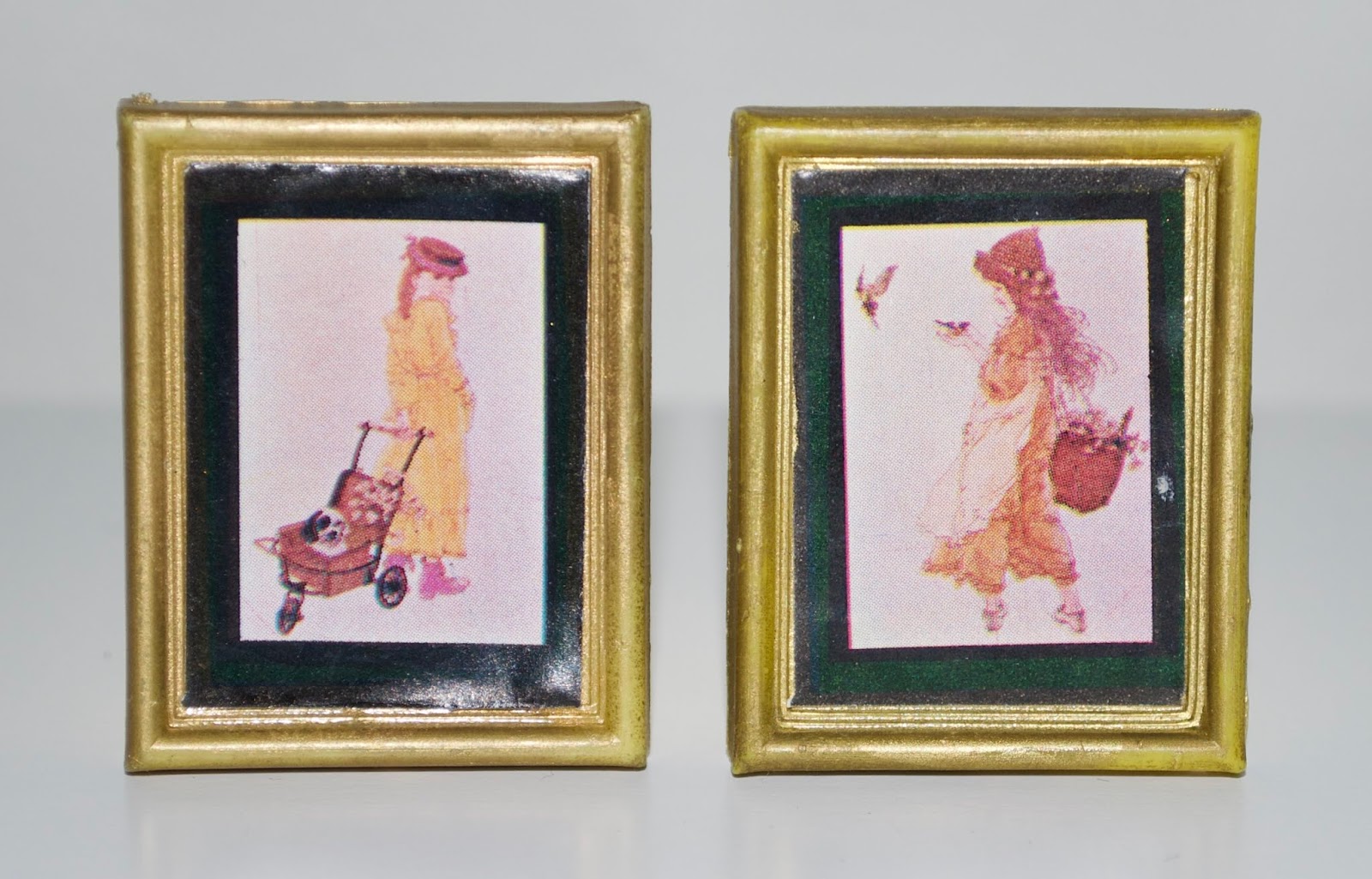
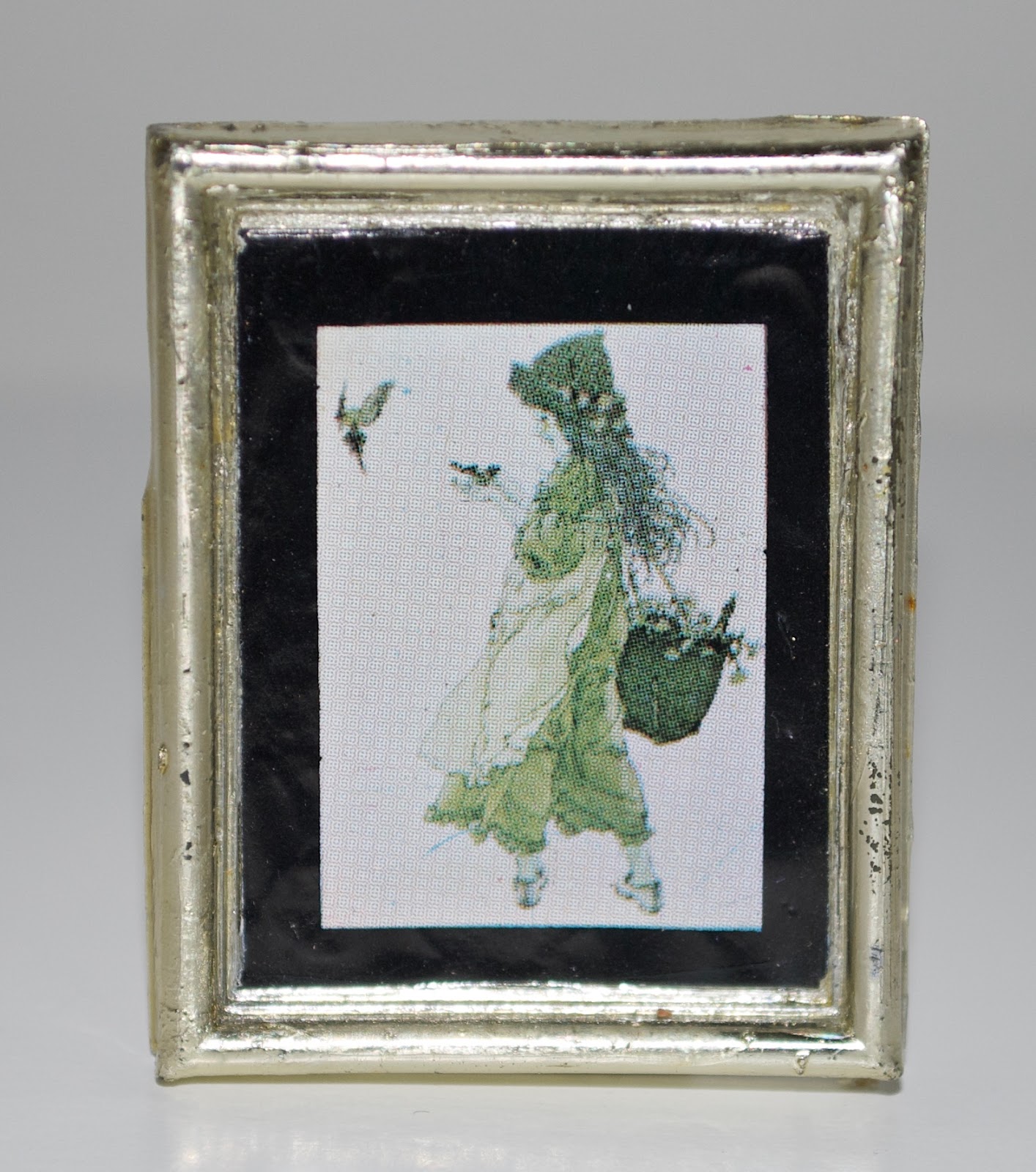
These are two illustrations by Hiroaki Ikeda. The first one is named "Christine". The second one is still waiting for me to find its name. 


This is a replica of "The Epsom Derby" by Théodore Géricault.


This is a replica of "Return of the fishing boats" by Andre Derain. I've found this in five different frames so var: Yellow, red, pale with gold accents, matt gold and shining gold. 


In the same catalogue we can also find several other new items on different pages.

This is a replica of "Des glaneuses" (The gleaners) by Jean-Francois Millet.  


This is a replica of  "Jeune fille se peignant" (Young girl combing her hair) by Auguste Renoir. 


This is a replica of "Vendedora de alcatraces" (The flower seller) by Diego Rivera.


Here are some of the paintings above in their original packaging.


Before we move on - remember the "group of four"? It still exists. The only exception is the two paintings with royals from 1977.


In 1984, Lundby is introducing a new range of paintings, along with new houses and lots of new furniture. They were made in two versions: One thinner with more pale colours and thicker with brighter colours. The thicker/brighter colour version is the updated, later version. I do believe that these are replicas of original watercolour paintings, but I haven't found any of the originals. Yet. 


Here they are in their original packaging. The thinner/older ones first. 


There is also an updated version of these, found in the catalogue from 1990. Those three paintings are more rare, and seems to have produced only for a few years. In the catalogue from 1993, the paintings are again the first three. They can be found as late as around 2000.


In 1999, Lundby retires the old range of paintings. The last catalogue picture, and last items, are these. (They now all have gold frames, so they changed a bit from 1984 when they first appeared).


The water colour paintings survive a bit longer - they are last seen in 2004. This gives them a very long lifespan of 20 years.


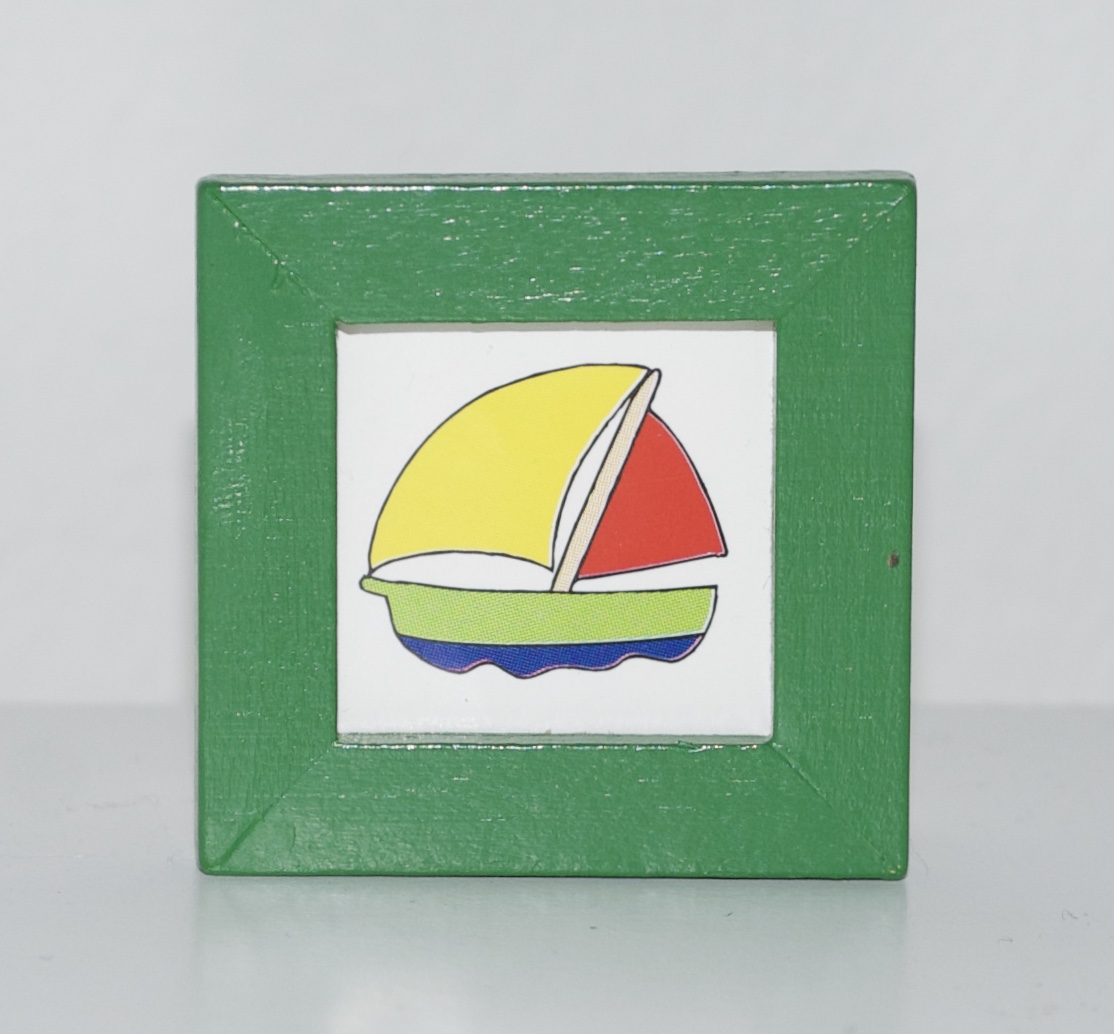
From 2000, Lundby introduces posters and photographs in their furniture range. I'm not getting too deeply involved with these here. But there is one interesting item from the 2000 catalogue. It's a quartet of paintings that belong in a child's room. They have wooden frames - quite unusual.


This is the only year I can find them, so I think it's safe to say that they were only produced for a short period of time. My best guess is ca 2000-2002.

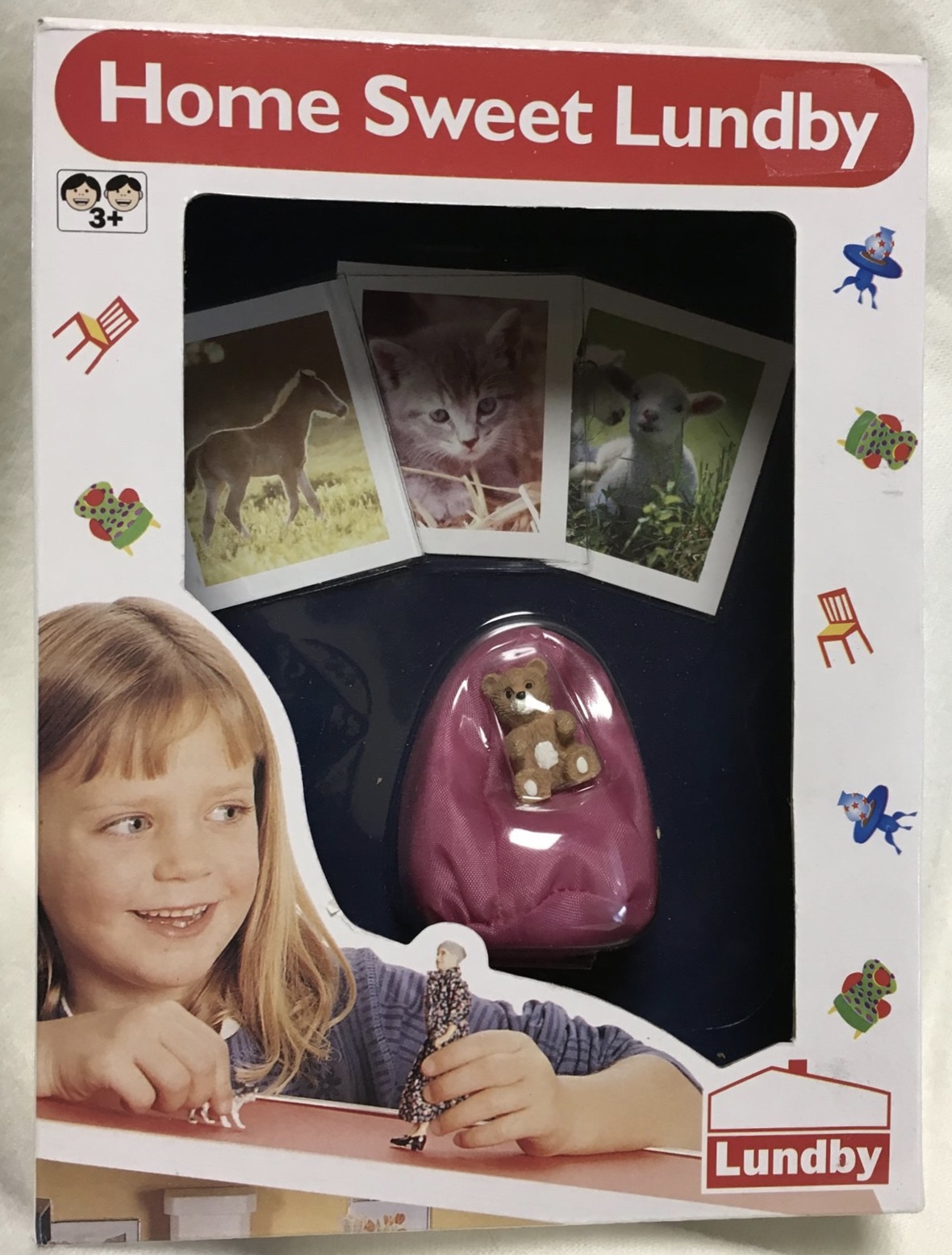
In the same catalogue you can also find a bean bag and three posters - presumably for a kids room as well. These are the three posters:


... and here is their original package. They came with a pink beanbag and a teddybear. 


Before we move on to an entirely new range of paintings, there is another branch of Lundby that needs attention: The advent calendars. Lundby released three of these: in 2004, 2005 and 2007. The advent calendars contained smaller items for the dollhouses, including paintings.

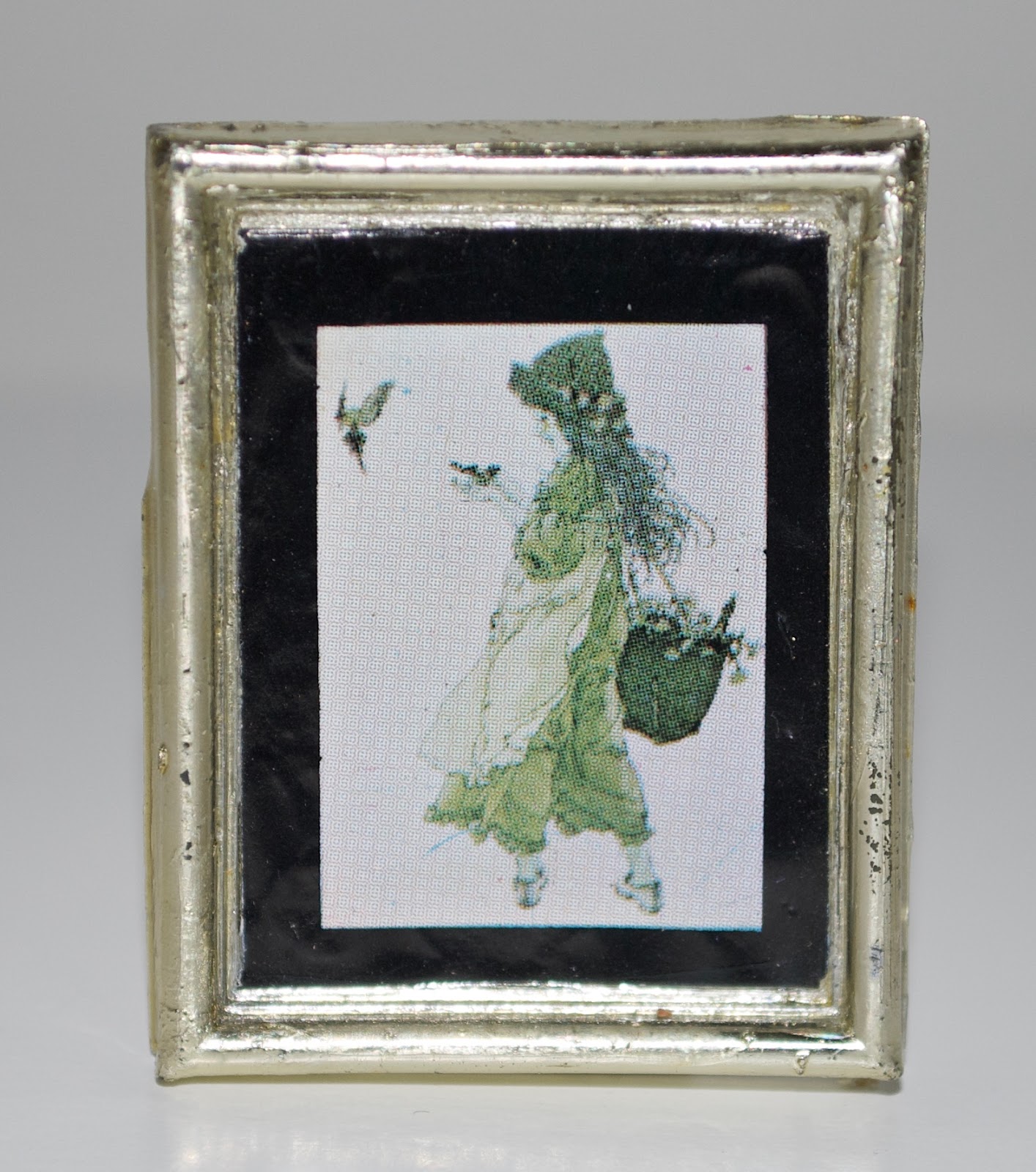
The 2004 calendar had two: the Lundby family picture and a picture of a girl.


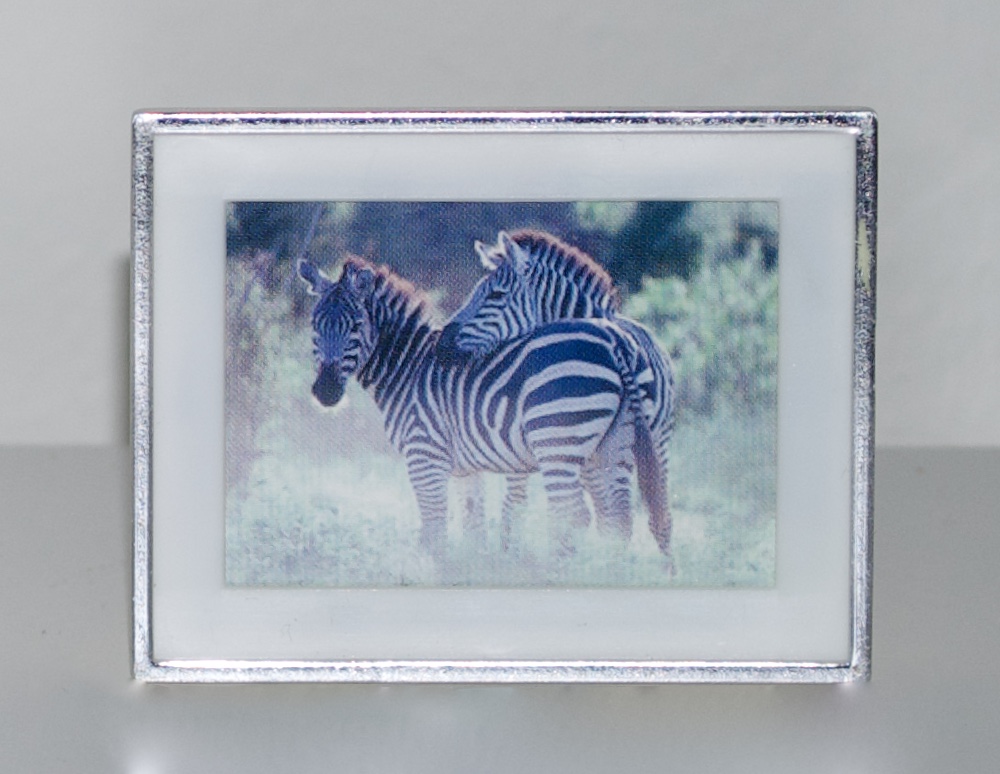
The 2005 advent calendar supplied pictures of a zebra and a bird.


Finally, the 2007 edition gave us this one. I think that it's a Christmas star with something sparkly on it.


In 2005, Lundby updated their range with new houses, furniture and of course also paintings. We get the new Småland and Stockholm houses. Another thing that also changes is that the paintings are no longer sold together - they are included in different living room sets. So from here on I won't be bothering you with all the original packaging :)

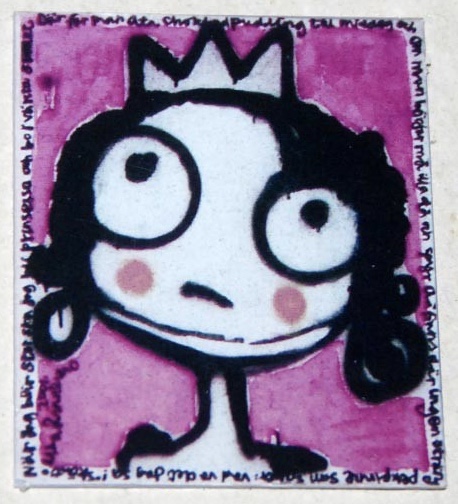
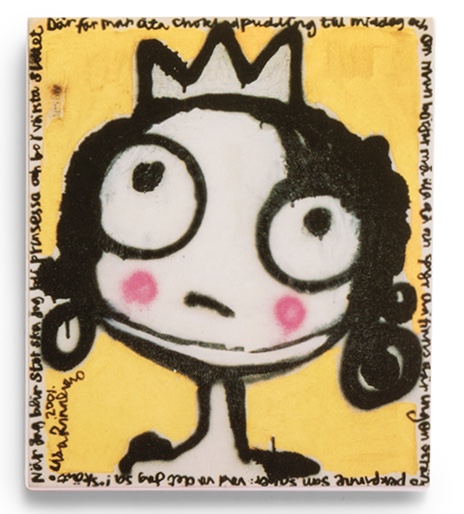
These two paintings comes with the Stockholm house in 2005. The first one is called "Prinsessan" (the princess), the second one "Tre" (three). (Yes, as in number three). They were produced between 2005-2009.


The catalogue information also gives us the name of the artist: Lisa Rinnevuo. She seems to be the artist in residence for many years to come.

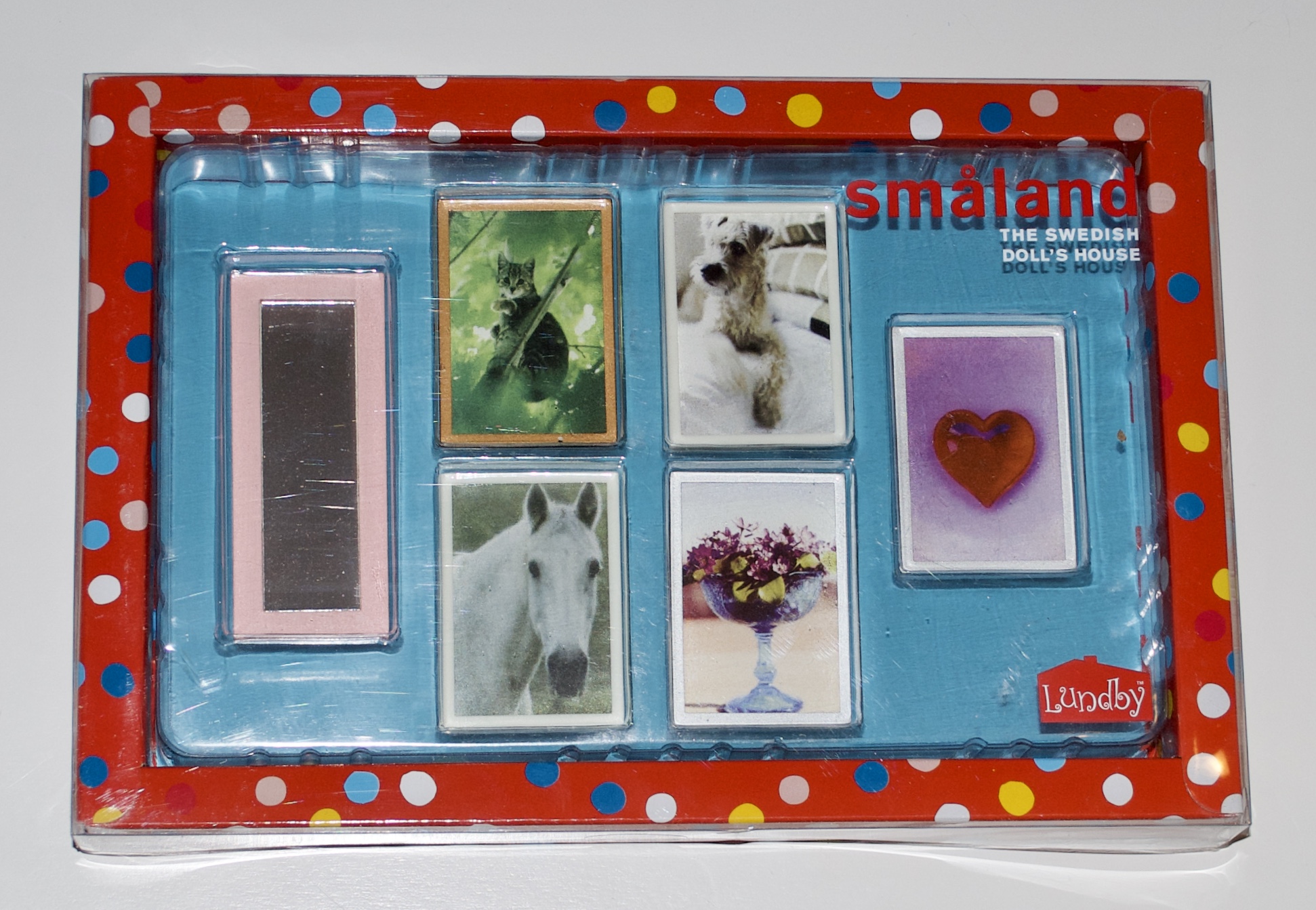
The Småland house gets this new set of art on the walls in 2006 - five paintings/photos. They were sold in a package with a pink mirror, and were produced between 2006-2010.


The Stockholm range adds another painting - two versions - to the line-up in 2007.


Just as the previous items, it's Lisa Rinnevuo who is the artist. The painting is called "Bambi".

In 2010 we get a pink version of the princess painting from 2005. It was produced between 2010-2016.


The Småland range gets a big make-over in 2011. It's interesting that the catalogue images from 2011 isn't the finished product. All these three looks a bit different in the catalogue. (The next catalogue has updated images that look like the actual paintings). They were produced between 2011-2014 (the city skyline) and 2011-2017 (the princess paintings).


The two paintings and mirror above was the last that package with only mirrors that Lundby sold. From around 2010, the paintings were sold together with other items, mainly living room sets. 

2013 range of Småland winter/christmas items also includes a new painting. The original was later donated to Astrid Lindgrens children hospital in Stockholm. It was produced between 2013-2019 (still in production).


In 2015, this painting comes with a living room set. It was produced between 2015-2019.


And finally, to round up this history, we get a new version of this in 2018. Does it look familiar? It should - this is the third version of the same painting. Recycling is clearly gaining ground here.


This blogpost was updated July 2024 and the yellow painting above is the latest one released by Lundby/Micki so far. We'll have to wait and see if they decide to produce more paintings or if they stop making them, just like they did with curtains. We have to wait and see.